Building Calm in Deep Snow: Designing Chalets that Stand with the Mountain

Step inside a world where avalanche-safe architecture and snow-load engineering for chalets become practical, welcoming guidance for owners, builders, and guests. Together we explore siting, roof geometry, resilient structures, and daily habits that protect warmth and memory when storms stack higher than porch rails. Ask questions, share photos from your ridge or valley, and help refine the checklists that keep winter inspiring, not intimidating. Subscribe for field-tested guides and seasonal checklists.

Reading the Mountain Before Laying a Foundation

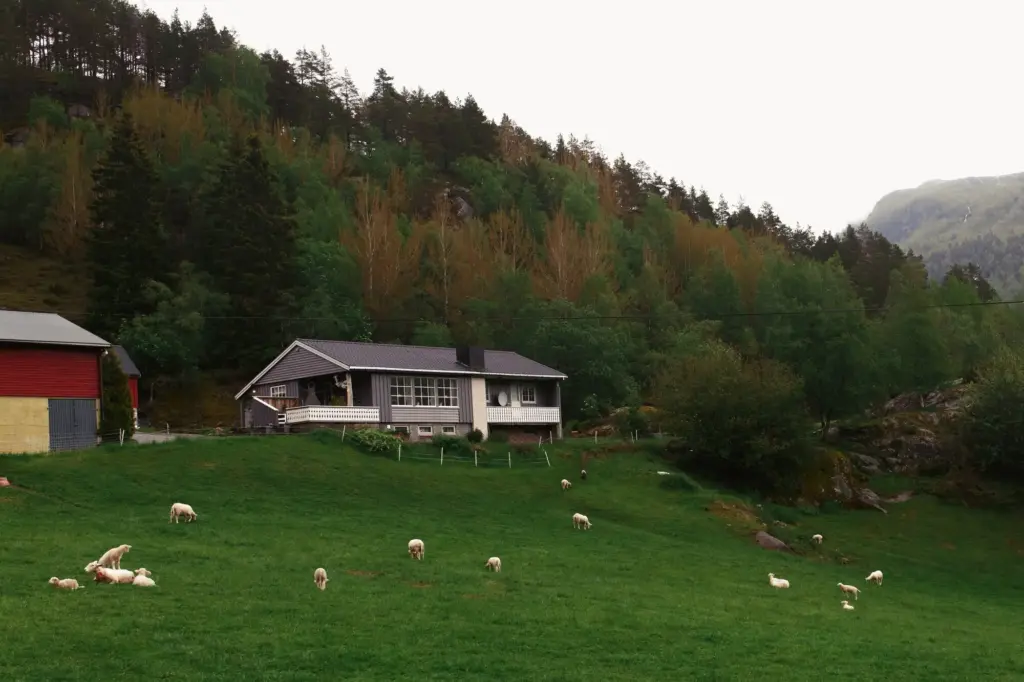
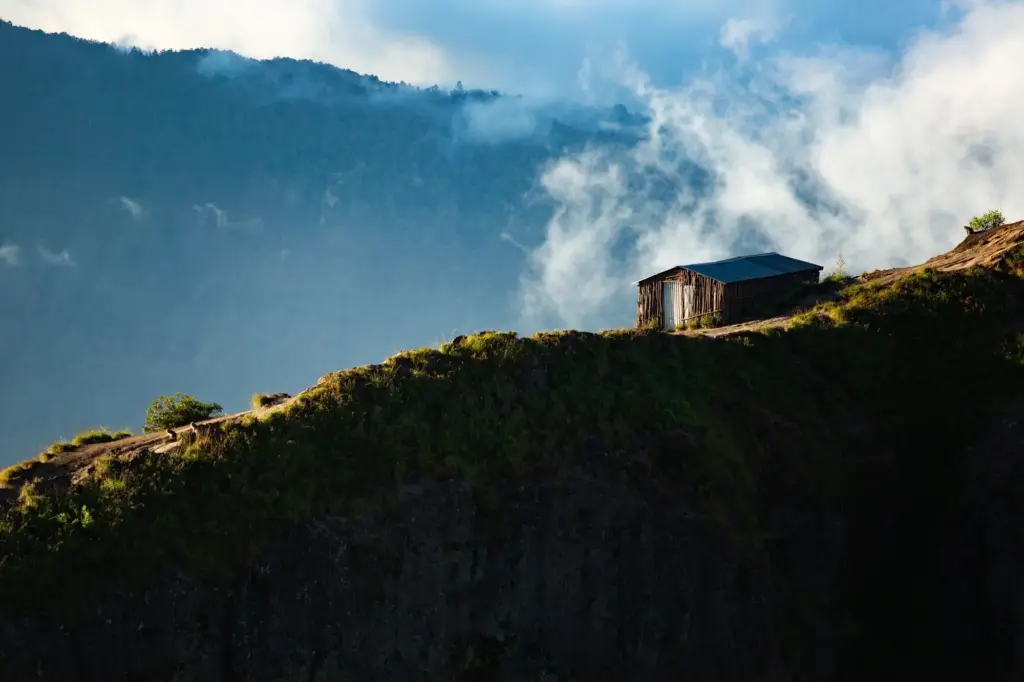
Before concrete ever meets frost, we study terrain like a careful biography: slope angle, aspect, fetch, terrain traps, and historic release zones. Satellite images, LIDAR, and local memory reveal paths and runout that maps sometimes soften. From these insights come setbacks, safe approach corridors, emergency pull-outs, and a serene front door that never waits beneath a loaded gully.

Roof Geometry that Guides and Sheds Wisely

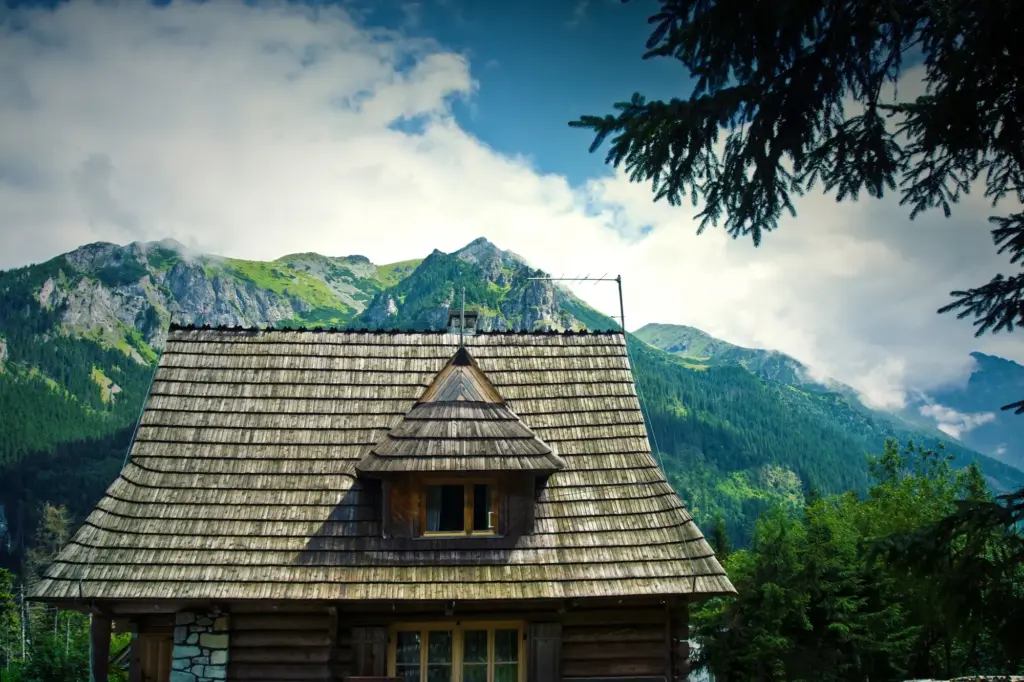
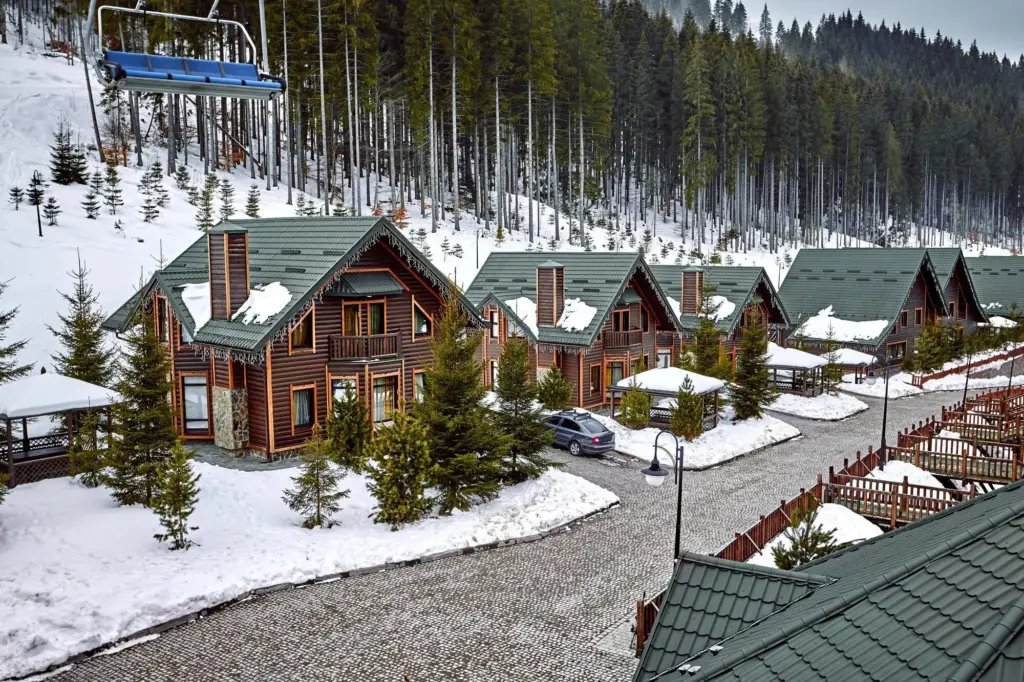
We choose forms that cooperate with snow rather than fight it: simple spans, generous pitch tailored to local climate, and valleys kept rare and reinforced. Safe fall zones are landscaped and signed. Cold roof venting calms ice dams, while carefully placed snow guards manage release so decks, paths, and heat pumps stay unharmed.

Structure That Carries the White Weight

Calculations start with local ground snow data and exposure, then adjust for drifting, sliding, and partial loading that challenge intuition. We sketch continuous load paths down to frost-protected footings, choose glulam, CLT, or steel where appropriate, and detail redundancy so no single bolt decides the fate of a winter holiday.

Materials and Details that Endure Freeze–Thaw

Warm Shell, Cold Roof

High-R continuous insulation wraps walls and ceilings so interior warmth stays where people laugh and rest. Above, ventilated cavities purge stray heat and moisture before it can melt snow. Air-sealing at electrical boxes, chimneys, and loft hatches prevents little leaks from becoming big icicles, repair calls, and avoidable structural fatigue.

Glazing That Survives Winters

Triple-pane units with warm-edge spacers, robust frames, and laminated interior lites resist both impact and thermal stress when temperatures swing. Consider exterior shutters or rails where shedding is likely, directing slides away from glass. Sightlines still capture alpenglow, yet families lean into windows without a whisper of worry or cold.

Service Lines and Reliable Backups

Power, water, and data tuck deep below frost, emerging in armored chases that shrug off plows and shovels. Vents rise above historic drifts. Generators, battery storage, and boiler redundancies hide in insulated rooms with outside access, so technicians can work safely while the household keeps cooking, showering, and telling stories.

Outside Works: Defenses that Respect the Slope

Landscape and civil features guide moving snow like calm hands on a river. Deflection berms, catchment walls, and forests of flexible trunks slow momentum while preserving views. Designs must never export risk downhill; coordination with neighbors and authorities aligns fences, signage, and maintenance so private safety strengthens the whole valley’s winter rhythm.
Curved bunds and angled walls bend small avalanches aside, trading height for length to bleed energy before it nears bedrooms. Materials matter: rough stone, timber cribbing, and planted faces grab snow. Drainage behind structures protects integrity when sudden thaws send torrents where powder once whispered through larch and pine.
Well-sited snow fences steal the wind’s cargo before it reaches roofs, shrinking drifts and stabilizing slopes above driveways. Seasonal nets and anchors, installed and inspected by trained crews, can calm specific start zones. Maintenance calendars, photos, and shared neighborhood spreadsheets keep every device ready before the first atmospheric river arrives.

Monitoring, Maintenance, and Community Preparedness

Good decisions improve with feedback. Load sensors on key rafters, depth gauges at drift corners, and weather stations on the ridge turn storms into readable stories. Combined with inspections, clear checklists, and drills with neighbors, that data supports timely shoveling, strategic closures, and confident welcoming of winter’s biggest weekends without bravado.
Siravexoxaridari
Privacy Overview

This website uses cookies so that we can provide you with the best user experience possible. Cookie information is stored in your browser and performs functions such as recognising you when you return to our website and helping our team to understand which sections of the website you find most interesting and useful.